

About iRIC
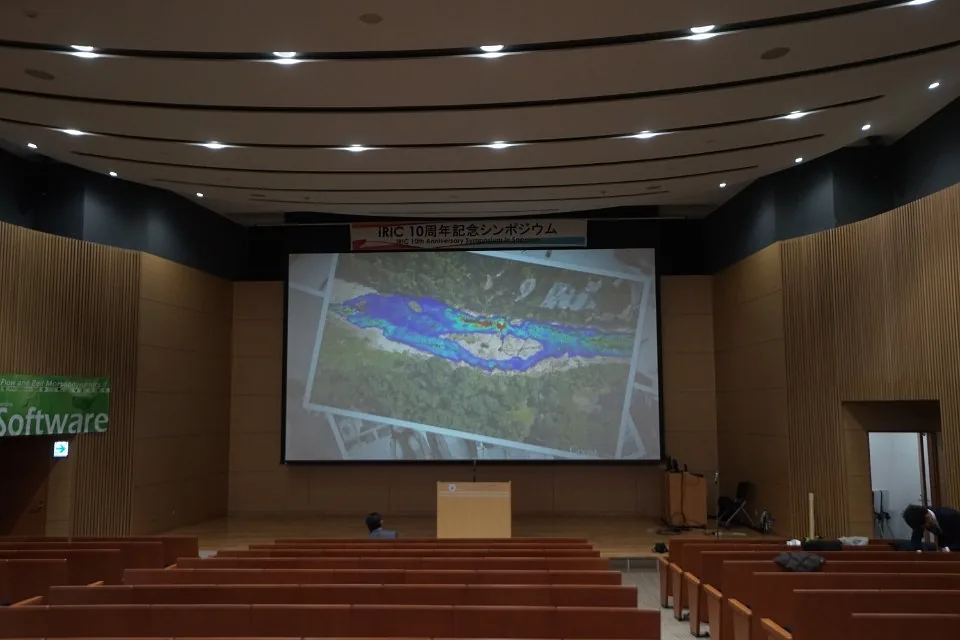
Bringing the knowledge and tools of hydraulic engineering to everyone
iRIC (International River Interface Cooperative) is an initiative to make numerical simulation of water and sediment usable not only by researchers, but by engineers, students, public agencies and many more.
Our aim is not simply to build high-performance software.
To turn the knowledge and techniques born in research into something that works in the real world.
To make difficult numerical analysis something more people can understand, try and put to use.
And to connect researchers, engineers, students and users, so that we learn together and grow the tools together.
That is the role of iRIC.
How iRIC began
iRIC started in 2007, at the initiative of Professor Yasuyuki Shimizu of Hokkaido University and Dr. Jonathan Nelson of the USGS.
At the time there were already many excellent numerical models for river flow and riverbed change, but most of them were built for the researchers who wrote them.
"We want the excellent techniques born in research to be usable by many more people."
iRIC was born from that wish.
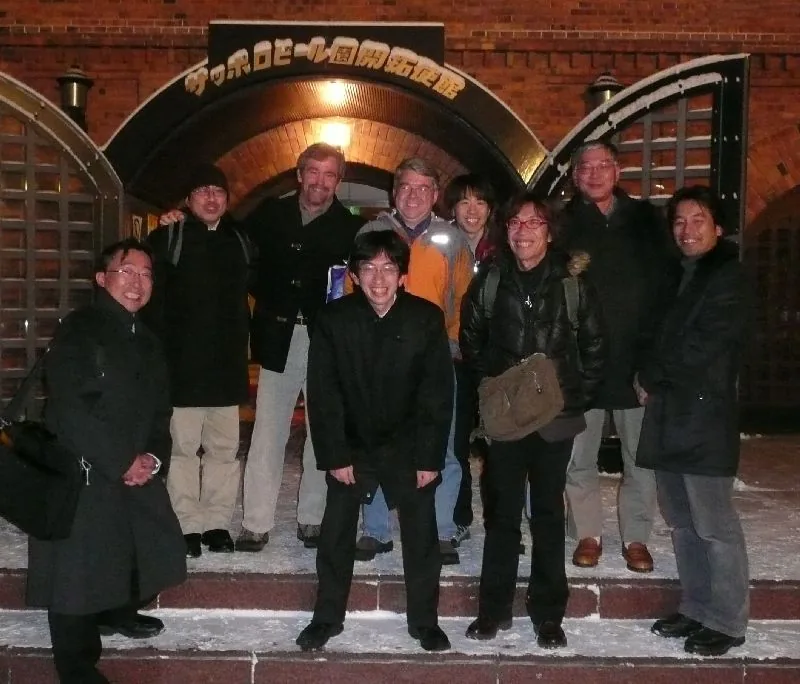
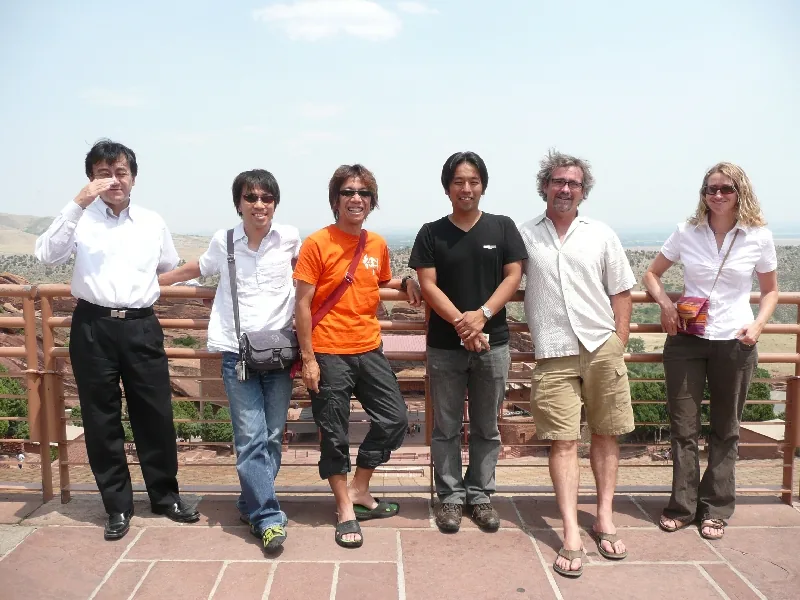
An "interface" between the numerical models developed by researchers and the people who actually work on water problems.
That idea is still at the heart of iRIC today.
What we value
Opening technology to everyone
Even an excellent technique cannot reach its potential if only a few people can use it.
iRIC has always tried to deliver specialised numerical analysis in a form that is as clear and easy to use as possible.
Anyone who wants to learn or to experiment should be able to reach the technology, whatever their country, affiliation or position.
We will keep opening the technology up.
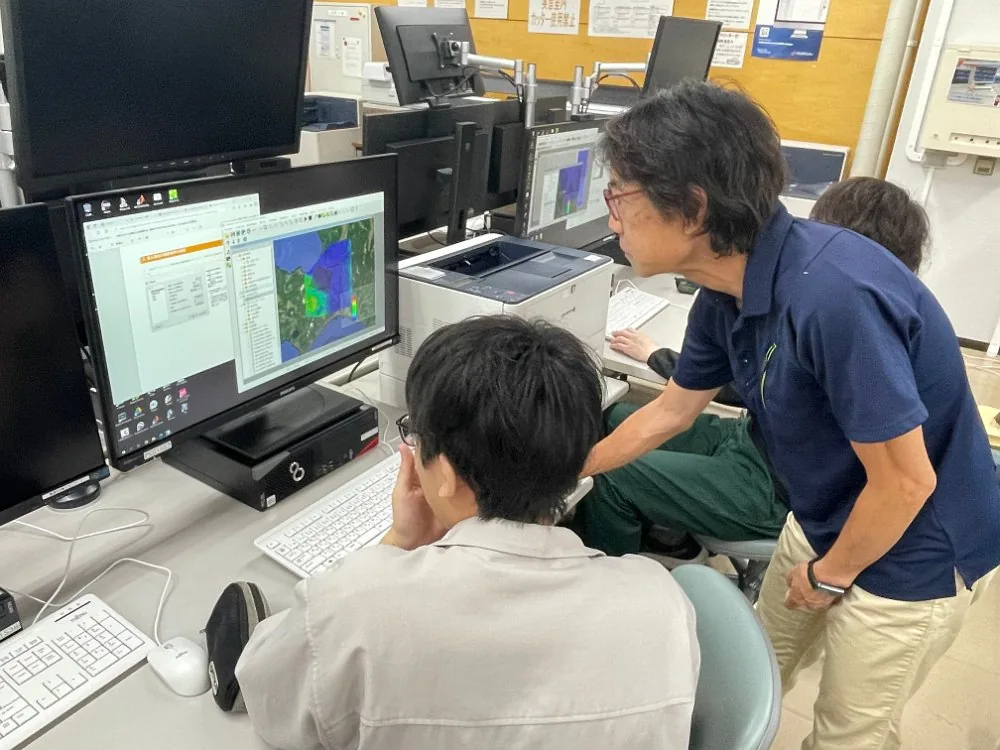
Connecting research and practice
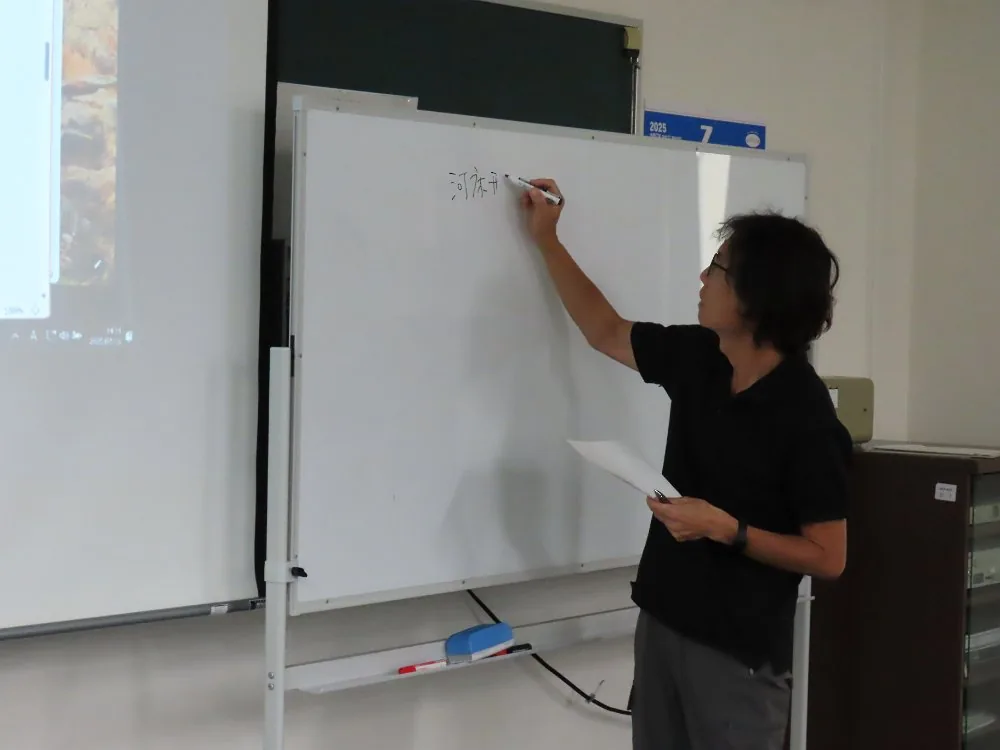
Research produces new knowledge and new computational methods.
Real rivers and real flood sites, on the other hand, raise problems that research alone cannot see.
iRIC is where the two meet.
Research results are implemented as solvers and applied to real problems.
Problems found in the field go back to research and lead to the next technique.
We value building that cycle between research and practice.

Understanding, not just computing
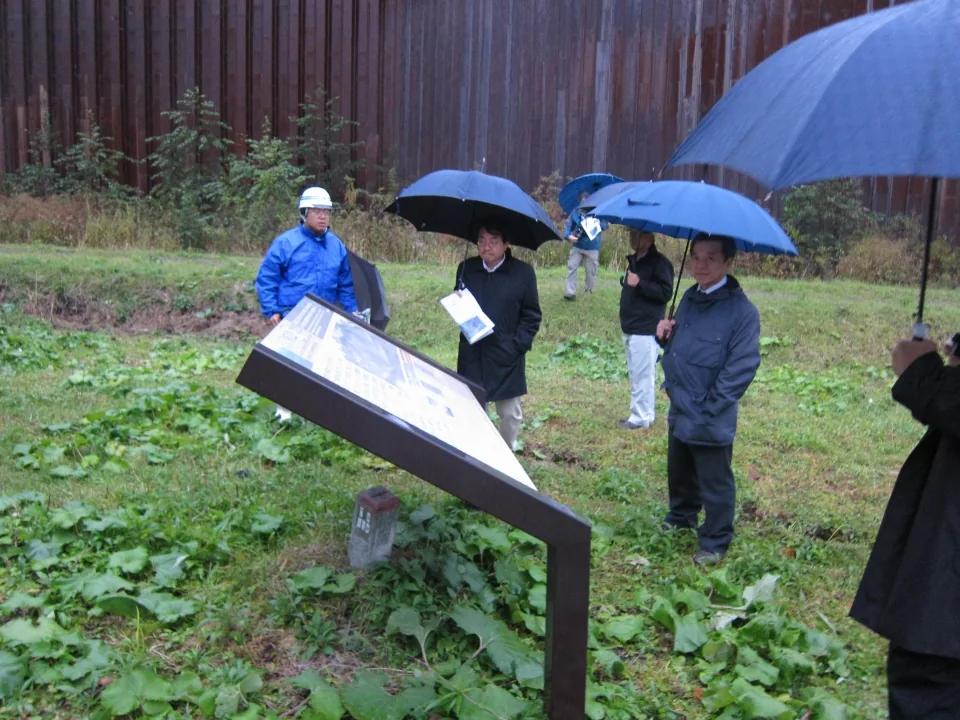
The purpose of a simulation is not only to produce results.
Why does the water flow this way?
Why does the riverbed change?
How far can the results be trusted?
Understanding the phenomena behind the numbers is what matters.
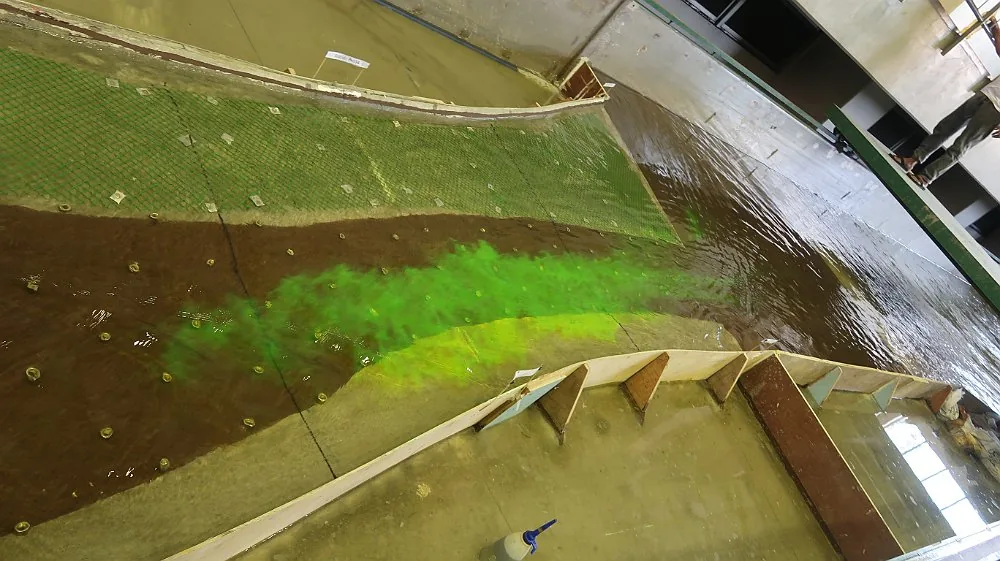
Beyond the software, iRIC is building an environment for learning hydraulics and sediment hydraulics through teaching materials, courses, case studies and research results.
What we aim for is software for thinking, not just software for getting an answer.
Built together by developers and users
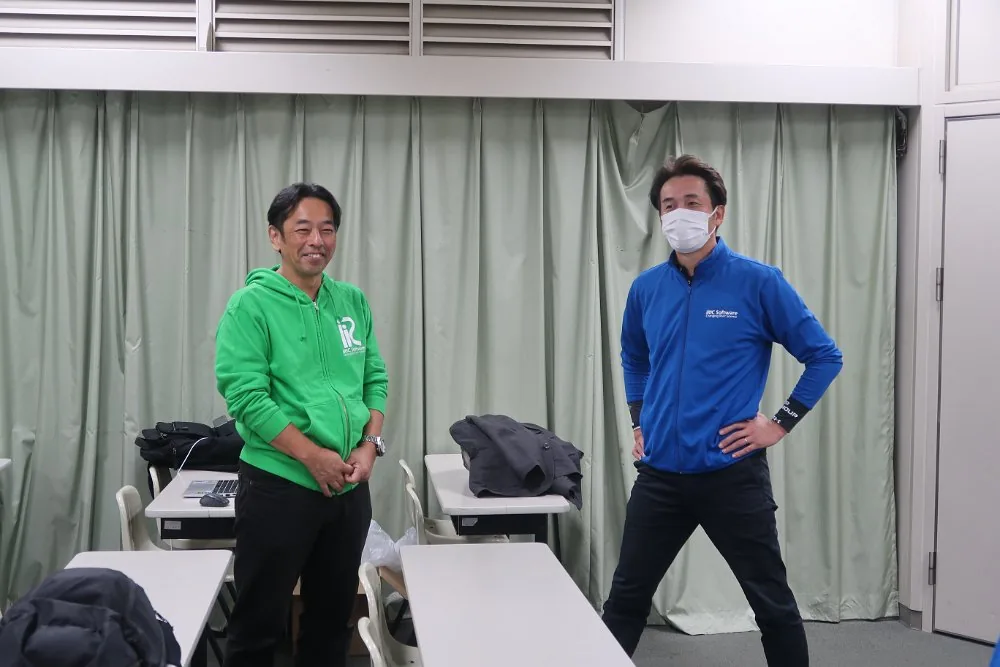
iRIC was not made by a single researcher or a single organisation.
Researchers develop the models, engineers use them in the field, students learn with them, and feedback from users drives continuous improvement.
Those who use it, teach it, research with it and develop it are all part of the iRIC community.
Rather than delivering a finished product, we keep growing it together into something better.
That is the culture of iRIC.
A place open to the world
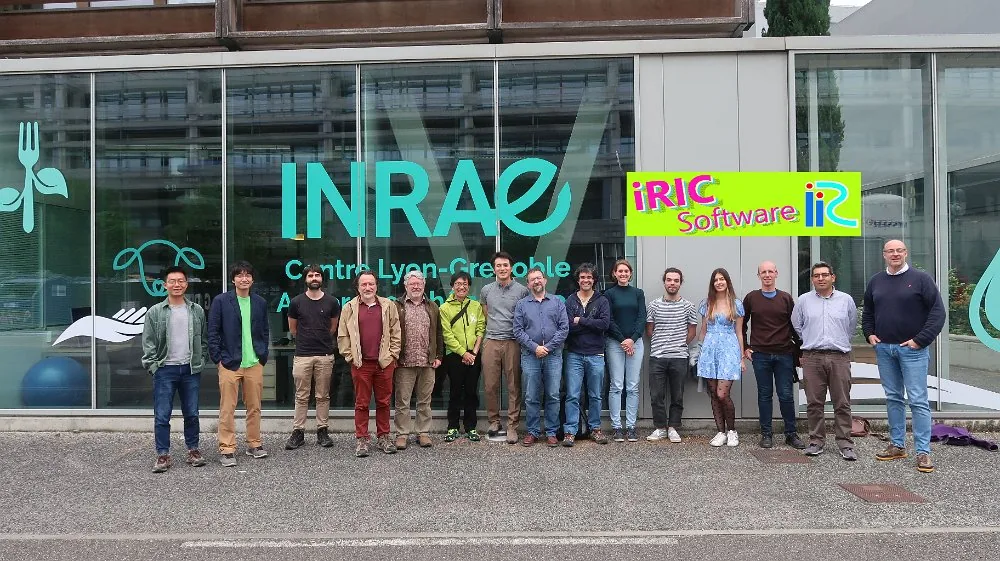
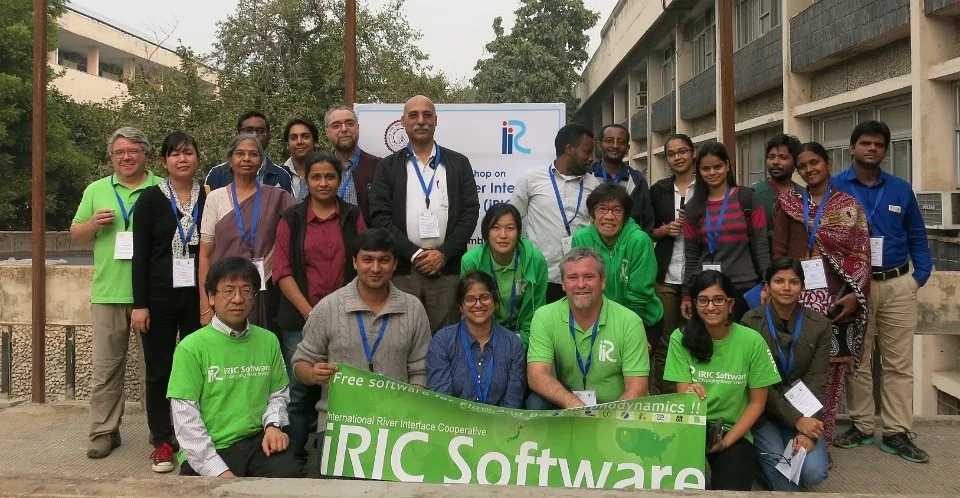
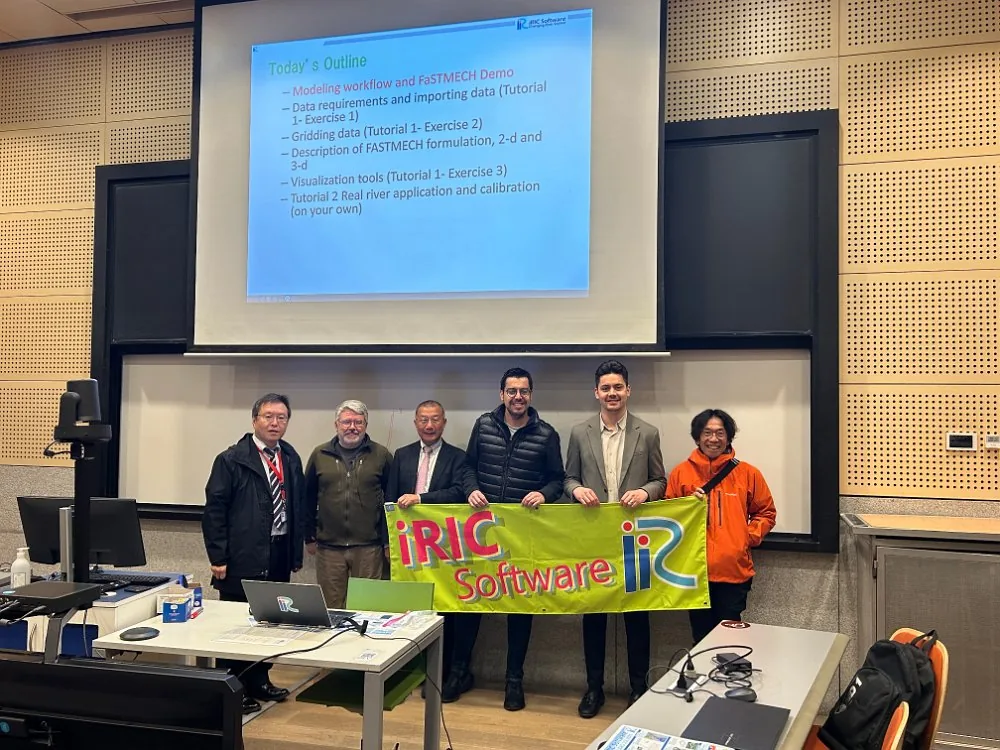
Water problems are not confined to a single country.
Floods, sediment disasters, water environments and water resources are shared challenges in regions across the world.
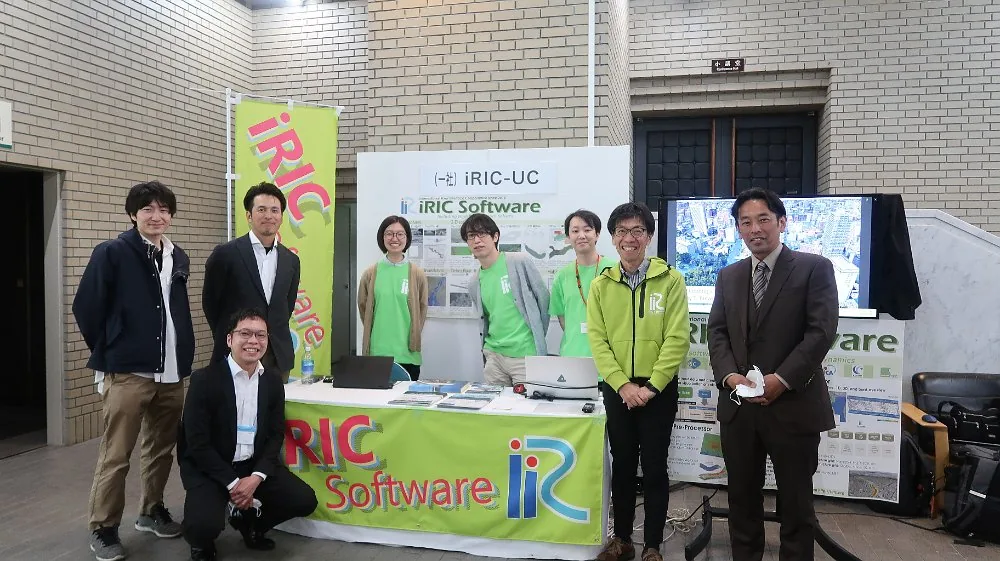
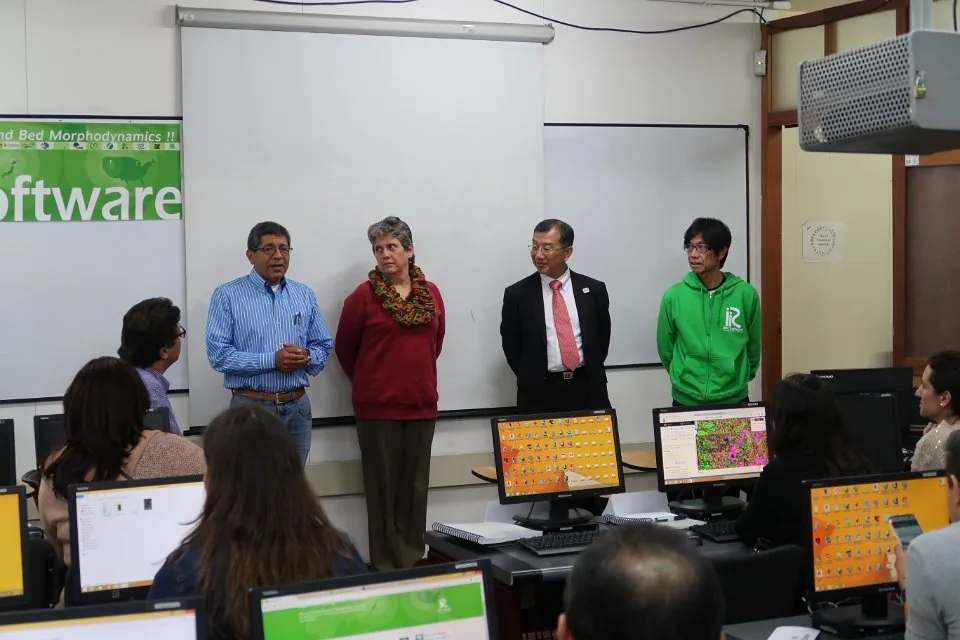
Researchers in different countries share techniques, engineers share experience, and students learn with the same tools.
Knowledge born in one place becomes the power to solve a problem somewhere else.
iRIC aims to be a place where people and technology connect across countries and organisations.
Open to all, and sustainable
iRIC will keep opening its technology to as many people as possible.
At the same time, keeping the software and the community alive for the long term, and continuing to produce new techniques, requires a sustainable structure.
Staying open to all while continuing to develop sustainably.
This is an important principle for the iRIC of the future.
While protecting openness, developers, users, companies and research institutions each support the project in their own way and create the next generation of technology.
Building that cycle is how we pass iRIC on to the next generation.
iRIC is more than software
iRIC is numerical simulation software, and at the same time a platform that connects the people and knowledge of hydraulic engineering.
Building software.
Bringing new research results to society.
Creating materials for learning.
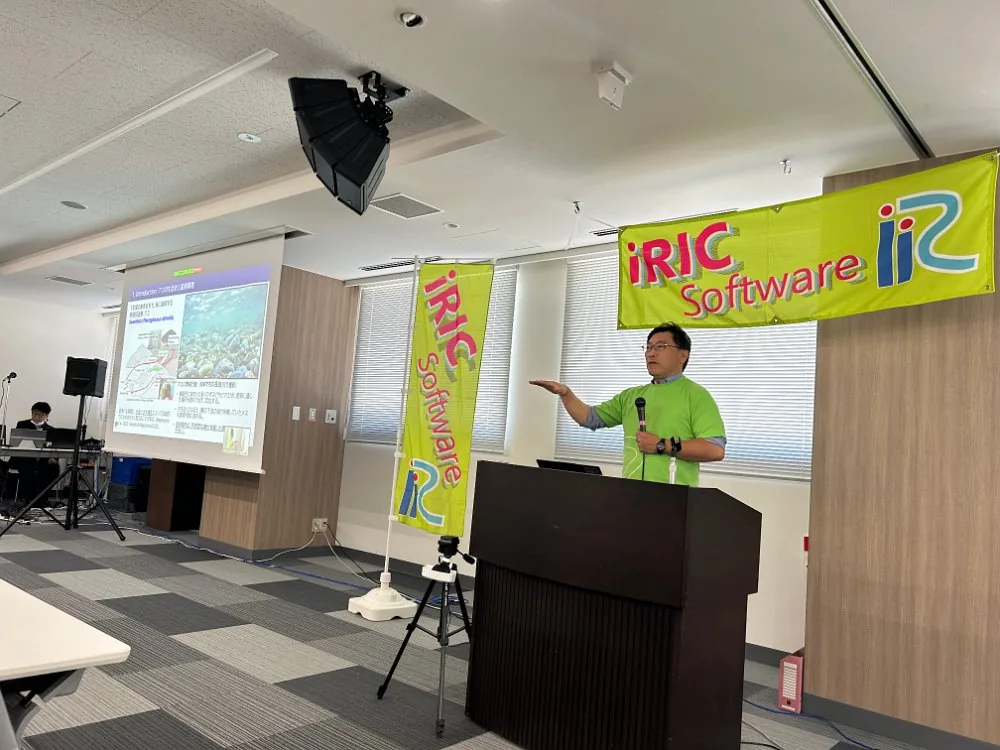
Holding courses.
Sharing experience and knowledge.
And from all of this, the next research and the next techniques emerge.
All of these activities together are iRIC.
Researchers, engineers and students.
Those who have used iRIC for years, and those who discovered it today.
We want to be a place where anyone can take part, and where one person's knowledge leads to someone else's next challenge.
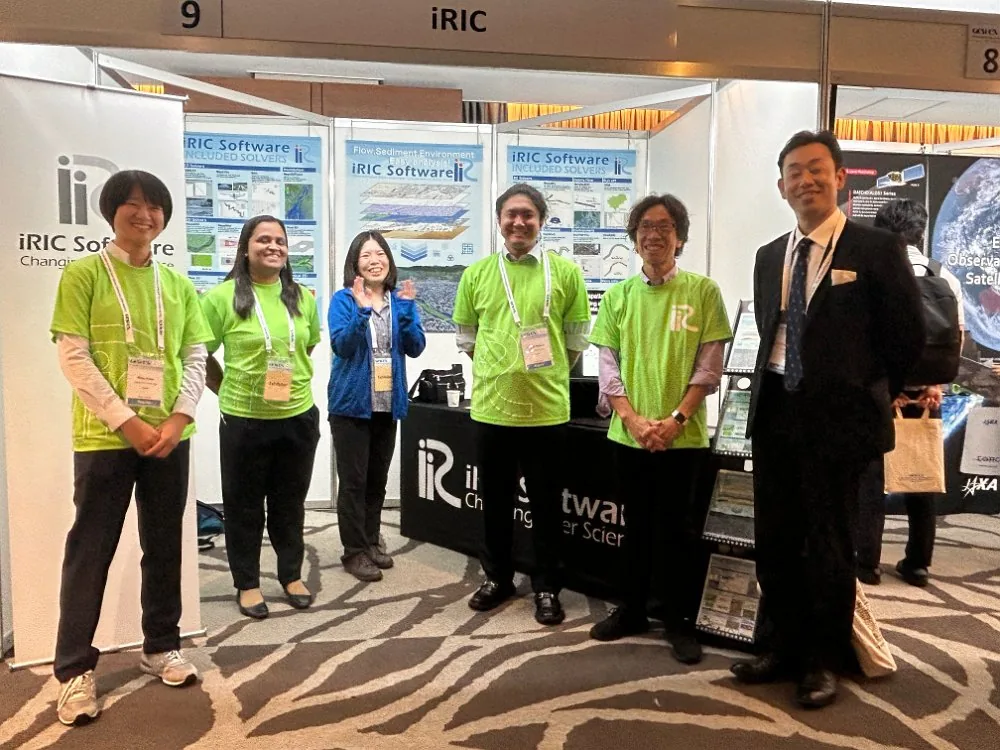
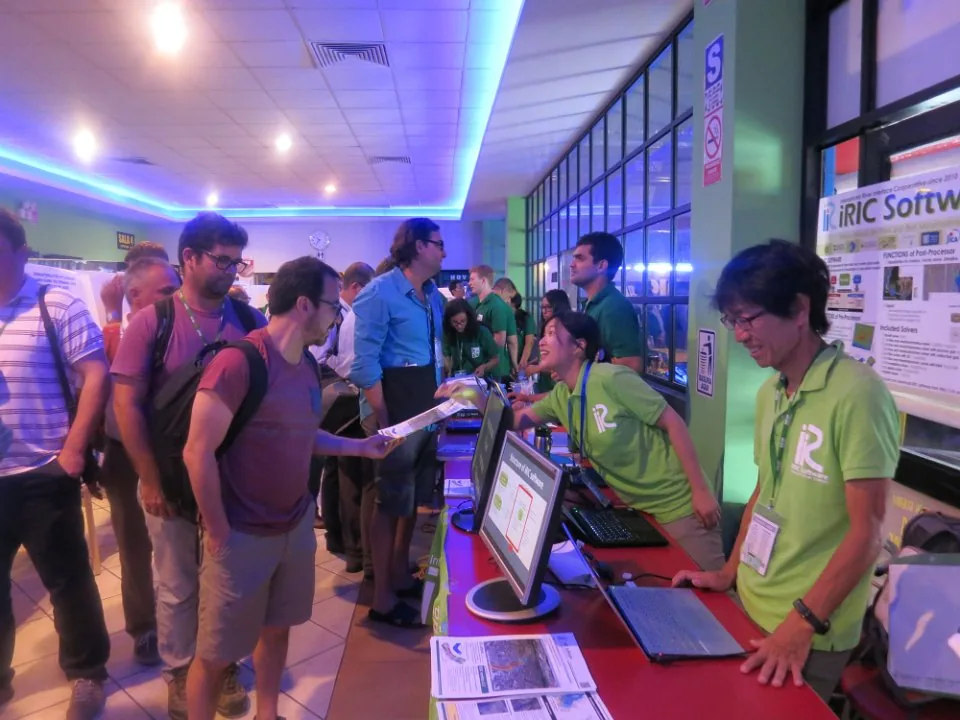
That is the iRIC we will keep growing.
Organisation
Organized by iRIC-UC / Operated by RiverLink Inc. / Academic partner: iRIC Research Group / Supported by Foundation of Hokkaido River Disaster Prevention Research Center